



Electrical testing
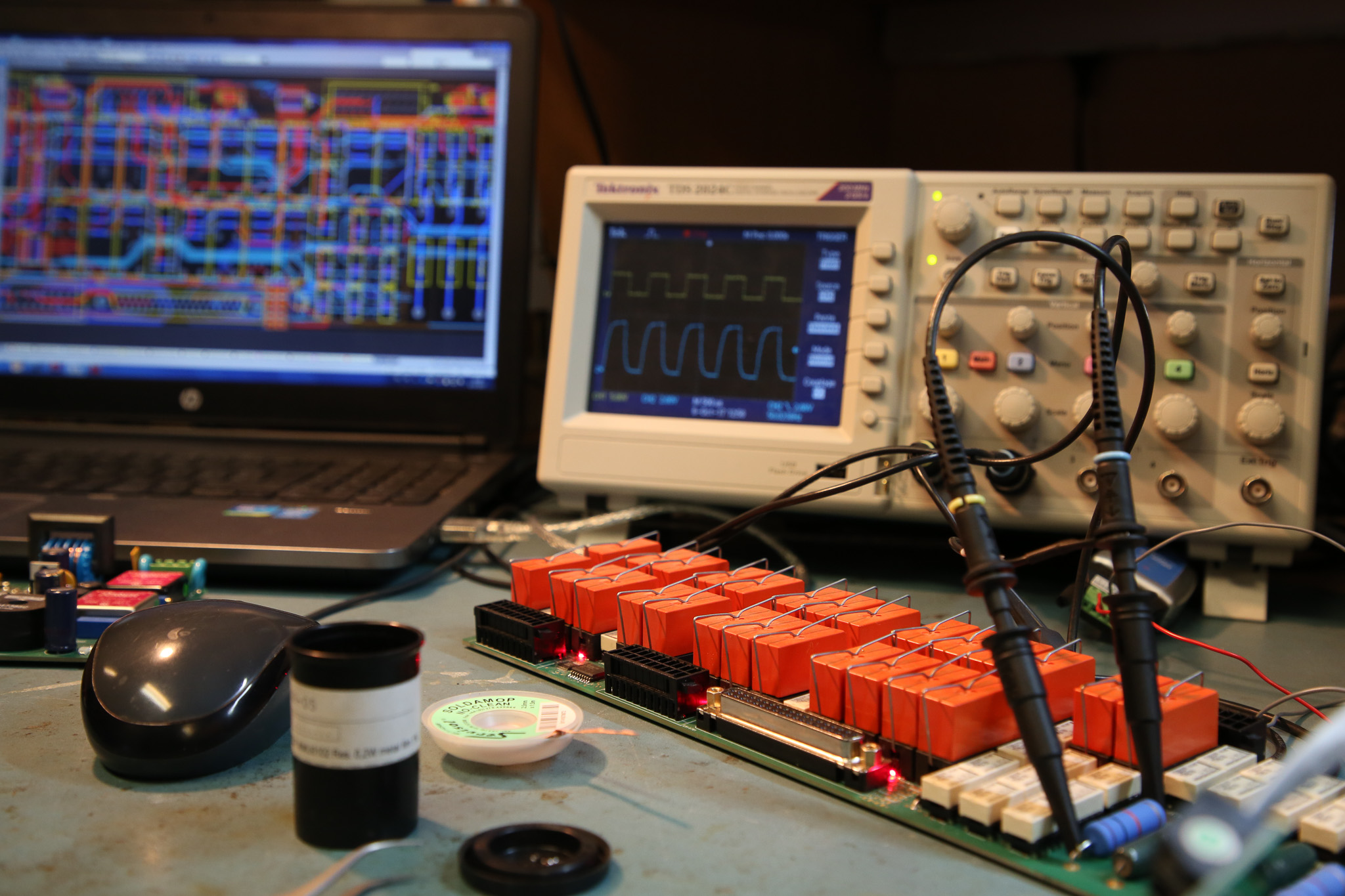
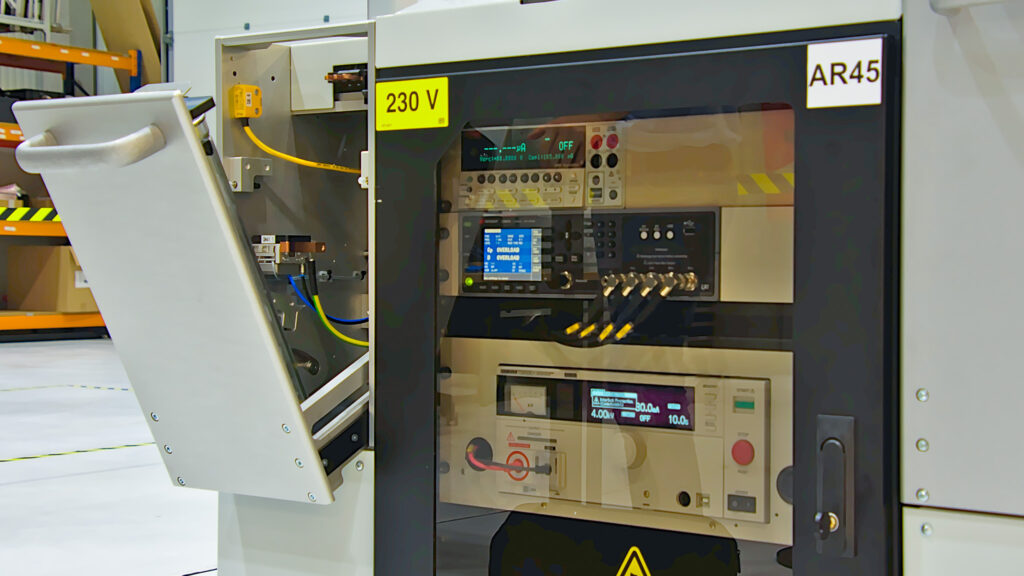
Bench for testing and qualifying electrical systems

A test bench or test bed is a specialized workstation or platform that is used to test the performance or functionality of a product or system. Test benches are commonly used in a variety of industries, including electronics, automotive, aerospace, and manufacturing. Test benches…

A test bench or test bed is a specialized workstation or platform that is used to test the performance or functionality of a product or system. Test benches are commonly used in a variety of industries, including electronics, automotive, aerospace, and manufacturing.
Test benches typically include a set of specialized tools and instruments, such as oscilloscopes, multimeters, and data acquisition systems, which are used to measure and analyze various aspects of the product or system under test. Test benches may also include environmental controls, such as temperature and humidity chambers, to simulate different operating conditions.
Test benches can be used to perform a wide range of tests, including functional tests, stress tests, and performance tests. They are often used to troubleshoot problems, verify compliance with standards or regulations, and optimize the design of a product or system.
Overall, test benches are an essential tool for ensuring the quality and reliability of products and systems, and they play a critical role in the development and testing process.
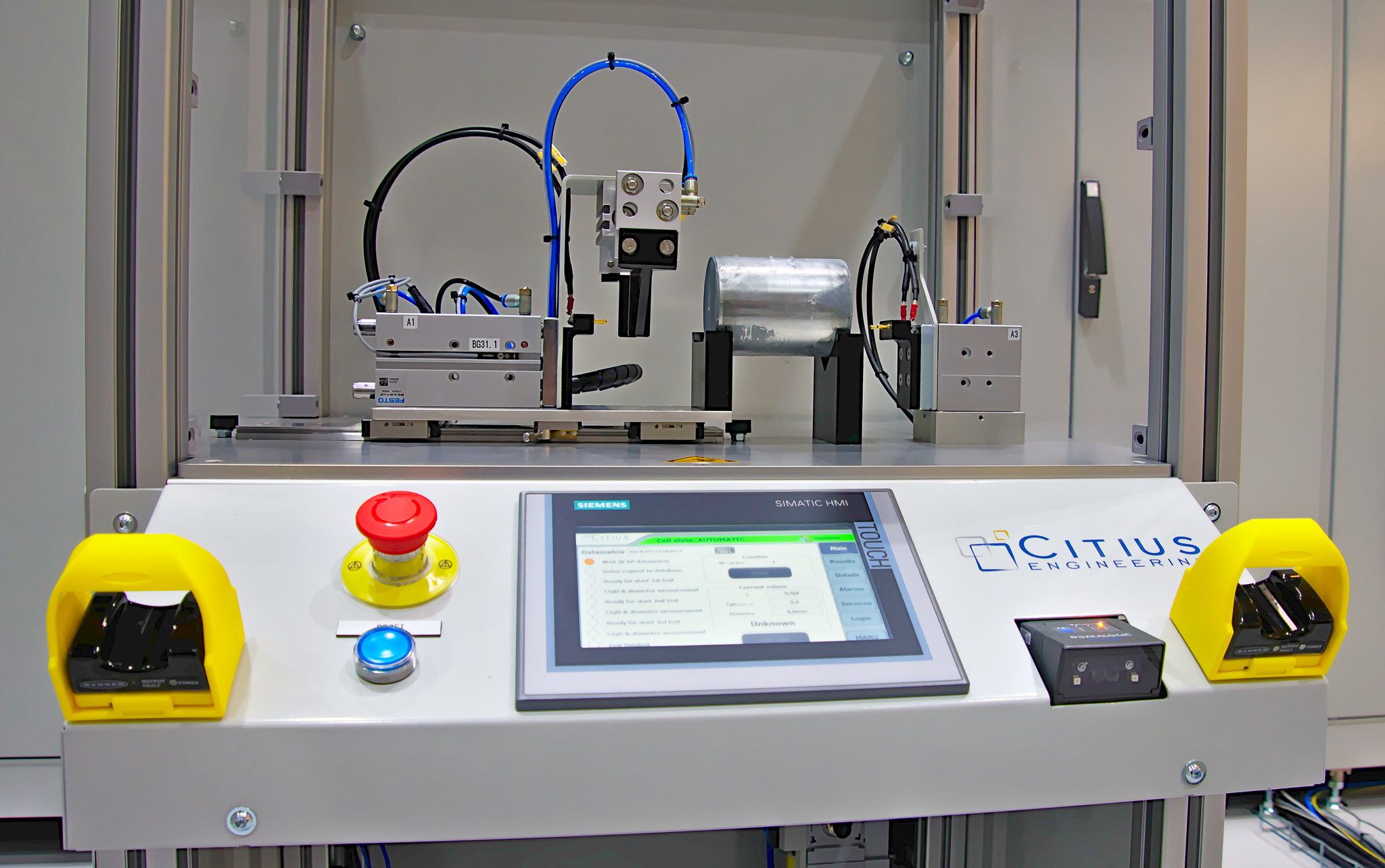
Over the years, Cilyx has acquired significant experience in the field of test-bed design and production for industrial equipment or systems. These custom-built test beds integrate the latest technology in mechanics, control-command systems, or data acquisition. Often equiped with hundreds of measuring lines, these test beds constitute efficient systems used within the framework of industrial development and production programmes .
Bench for testing and qualifying electrical systems
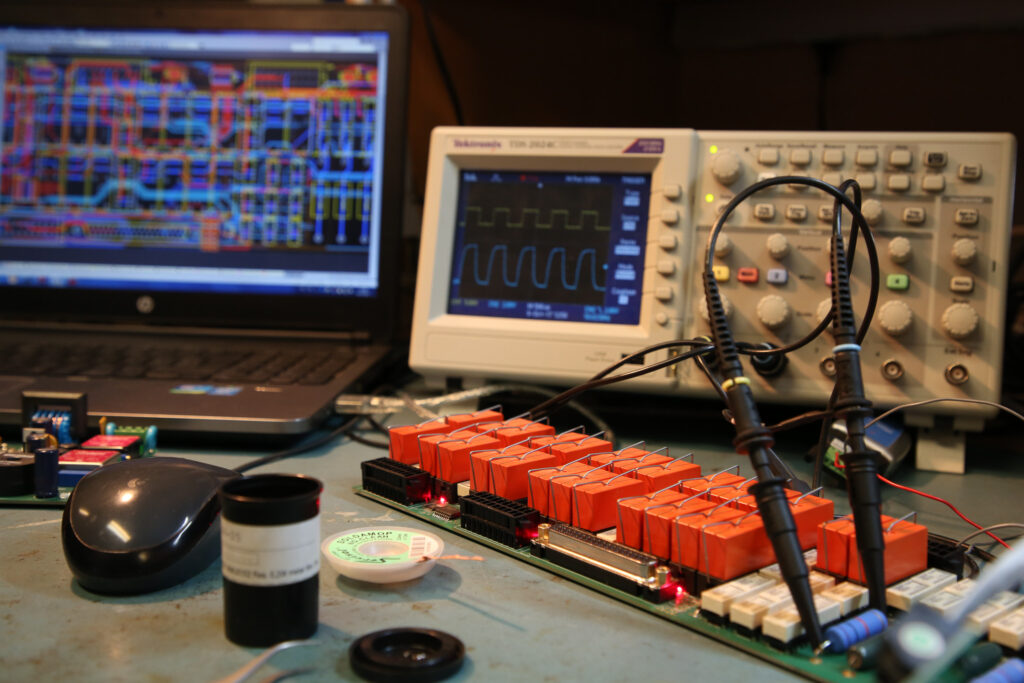
Test benches for testing and qualifying electronic components
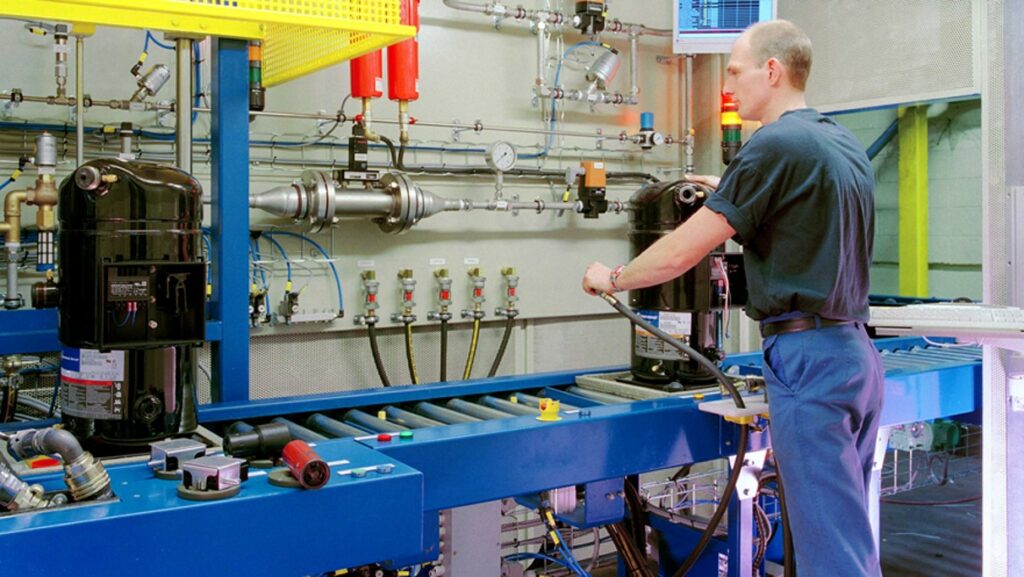
Integrated test benches into production lines
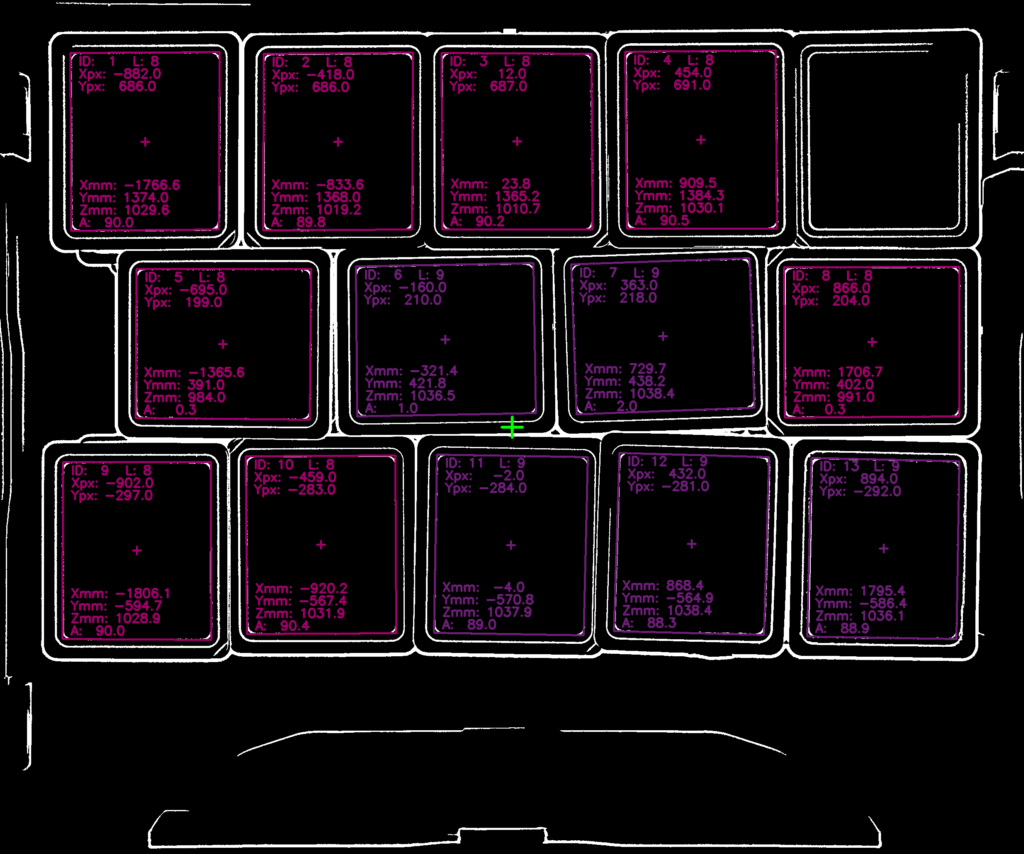
Automated quality control refers to the use of technology, such as computers or robots, to monitor and maintain the quality of products or processes.
Artificial intelligence (AI) can offer several significant advantages in a production workshop. Here are some of the key benefits that AI can bring to a manufacturing environment:
However, it is important to note that successful implementation of AI in a production shop requires careful planning, adequate training of staff and effective integration with existing processes. Companies must also consider the ethical and social implications of automating and using AI in the workplace.
Managing a robotics project, especially when it’s the first time for a company, can be complex but crucial to ensure implementation success. Here are some tips to help manage such a project:
By following these tips, you will increase your chances of success in implementing your first robotics project. Cilyx can assist you in this process.
The combination of artificial vision and adaptive robotics represents real progress in various fields and offers several advantages. Here are some key aspects of these technologies and the benefits they bring:
While these advances are promising, it is essential to consider potential challenges such as safety, ethics, staff training and change management when adopting these technologies. Successful implementation requires thorough planning and careful integration into existing processes. Cilyx can assist you in this process.
Discover how our solutions can be tailored to your situation. Contact our experts to analyse your process and define the most relevant approach.